 listicle
7 Tips for Creating a Wedding Day Transport Schedule
Table of Contents
- 1. Map Your Wedding Day Timeline First
- 2. Use a Wedding Transport Schedule Template
- 3. Master Wedding Day Travel Time Planning
- 4. Coordinate Wedding Car Hire Timing with Key Events
- 5. Build a Wedding Transport Contingency Plan
- 6. Communicate the Schedule to All Parties
- 7. Confirm and Reconfirm Before the Day
- Frequently Asked Questions
Last Updated: 14 October 2026
1. Map Your Wedding Day Timeline First
Creating a wedding day transport schedule starts with understanding every event from the moment your guests arrive until they leave. You need to know when your hair and makeup appointments happen, when photography begins, when the ceremony starts, and when the reception ends. Without this foundation, your transport timings will be guesses rather than plans.
Start by listing every activity in chronological order. Include preparation time at home, travel to the venue, the ceremony itself, photos with the photographer, the reception, and any send-off plans. A separate wedding day transport schedule, distinct from your broader wedding weekend plans, keeps transport logistics clear and focused.
Consider the activities that happen before the ceremony. Hair and makeup appointments often begin hours earlier than the ceremony. Your photographer may want you ready 30 minutes before guests arrive. Account for these pre-ceremony activities when planning when to arrange transport for yourself and your wedding party.
Once you've mapped the full day, identify which moments require transport. Not every transition needs a car. Walking from the hotel to a nearby venue might work fine. But long distances, formal arrivals, or guest movements definitely do. Your wedding day transport schedule becomes clearer once you know where transport actually matters.
2. Use a Wedding Transport Schedule Template
Rather than building a wedding day transport schedule from scratch, start with a template. A template provides structure, ensures you don't forget critical details, and saves hours of planning time. Many wedding planning resources offer free templates specifically designed for transport coordination.

A good wedding transport schedule template includes columns for the time, the event, who needs transport, pickup location, destination, and any special notes. Some templates also include a column for the driver's name or car hire company contact details. This layout ensures nothing gets missed and everyone involved knows their role.
When selecting a template, look for one that separates the wedding day itself from any wider wedding weekend activities. A focused document for the day itself is easier to share with drivers and wedding party members than a massive multi-page timeline. Keep it simple: time, event, passengers, pickup, destination. That's enough.
Customise the template for your specific needs. If you're using Hi Flyer Bentley wedding and prom car hire, you'll want to note the pickup and drop-off points for your luxury vehicle. If you're arranging transport for elderly guests, add a column for accessibility requirements. The template is a starting point, not a rigid rule.
3. Master Wedding Day Travel Time Planning
Travel time is rarely as simple as the distance divided by average speed. Real-world factors like traffic, parking, boarding time, and route familiarity add minutes, sometimes hours, to journeys. A wedding day transport schedule that ignores these factors will run late.
Start with a realistic estimate of driving time. Use a maps application to check typical travel times at the time of day your journey will happen. If you're travelling at 2 p.m. on a Saturday, check what traffic looks like at that exact time on that day of the week. Morning rush hour doesn't apply to afternoon ceremonies, but weekend traffic patterns do.
Add buffer time for factors beyond pure driving time. Parking at the venue might take 10 minutes. Walking from the car park to the ceremony space might take another 5 minutes. Guests may need help getting out of the car, particularly older relatives. A journey that's 30 minutes of actual driving might need 50 minutes of total time allocated.
For guest transport, consider boarding time. If you're arranging a coach or car for multiple passengers, factor in time for everyone to board, settle in, and be ready to depart. A group of 20 people might take 10 minutes to board, even if the drive itself is quick. This is why planning guest transport requires more buffer time than planning for just yourselves.
4. Coordinate Wedding Car Hire Timing with Key Events
Your wedding car hire company needs to know not just when to arrive, but why that timing matters. A wedding day transport schedule that says "pickup at 1:15 p.m." is less useful than one that says "pickup at 1:15 p.m. for 2 p.m. ceremony; ceremony cannot start late."
When you book your wedding car hire, provide your car hire company with the full timeline of your day. Share your wedding day transport schedule with them well in advance. This gives them context for the pickups and drop-offs you're requesting.
Confirm the exact pickup location and time with your car hire provider. Some couples assume the car will collect them from their home, but the car hire company might expect a hotel pickup or a different address. Clarify this in writing.
Hi Flyer Bentley wedding and prom car hire, for example, specialises in weddings and proms across the local area. When you're planning your wedding day transport schedule, their team can advise on realistic timings for your specific venues and routes. They understand the roads, the traffic patterns, and the common delays in your area.
Discuss contingencies with your car hire company. What happens if the ceremony runs 20 minutes late? Will the driver wait, or do you need to call them when you're ready? A wedding day transport schedule that accounts for these scenarios prevents last-minute panic.
5. Build a Wedding Transport Contingency Plan
Even the best wedding day transport schedule can unravel if something unexpected happens. A car breaks down. Traffic is worse than expected. A guest misses their scheduled pickup. A contingency plan, part of your overall wedding day transport schedule, keeps these problems from derailing your day.
Identify potential problems before the day. What if your primary car hire company has a vehicle issue? Do you have a backup provider's contact details? What if a guest is running 30 minutes late for their pickup? Will the driver wait, or will you arrange a different solution? What if a bridesmaid's dress doesn't fit in the car as expected? These "what ifs" seem unlikely until they happen.
Build flexibility into your wedding day transport schedule. Don't schedule back-to-back events with zero buffer time between transport legs. If the ceremony is at 2 p.m. and you need to be at the reception venue by 3 p.m., allow 90 minutes for the journey, photos, and any delays. If something runs late, you've got breathing room rather than panic.
Create a contact list for your wedding day. Include your car hire company's phone number, driver's name, your venue contact, and key family members. Share this list with your wedding party. If someone needs to reach the driver or reschedule a pickup, they know who to call.
6. Communicate the Schedule to All Parties
A wedding day transport schedule is only useful if everyone involved knows about it. Your driver needs to know the route, the timing, and any special requirements. Your wedding party needs to know when they're being picked up and where. Your guests need to know if transport is being arranged for them.
Share your wedding day transport schedule at least two weeks before the wedding. This gives everyone time to ask questions and flag any issues. If a guest can't make a scheduled pickup time, you can adjust the plan before the day itself.
For your car hire driver, provide a detailed itinerary. Include the pickup location and time, the destination, any stops along the way, and the expected arrival time. If there are multiple pickups (collecting the bride from one location, then the groom from another), make this clear.
Communicate with your wedding party about their transport. Will they be collected from home, a hotel, or the ceremony venue? What time should they be ready? What should they bring? A simple text or email prevents confusion on the day.
For guests, clarity depends on what transport you're providing. If you're arranging a coach for all guests, send details about pickup locations and times. If guests are arranging their own transport, make it clear that you're not providing it. A wedding day transport schedule that's shared openly prevents guests from showing up at the wrong place at the wrong time.
7. Confirm and Reconfirm Before the Day
A wedding day transport schedule that's planned months in advance can change. Venues shift. Timings adjust. A guest's circumstances change. The day before your wedding, confirm everything with your car hire company and all parties involved.
Call your car hire company the day before to confirm the pickup time, location, and any special requests. Confirm that the driver has your contact number and knows the route. Ask if they have any concerns about the timing or the route.
Send a final reminder to your wedding party. Text or email them the pickup time and location one more time. Ask them to confirm they've received the message.
Confirm with your venue that they know when your transport is arriving. If you're having formal photos taken before the ceremony, let the venue coordinator know when the car will be there. If the reception venue needs to know when you'll arrive for the send-off, tell them.
Creating a wedding day transport schedule requires planning, communication, and attention to detail. Start by mapping your full day, use a template to stay organised, and account for real-world travel times rather than optimistic estimates.
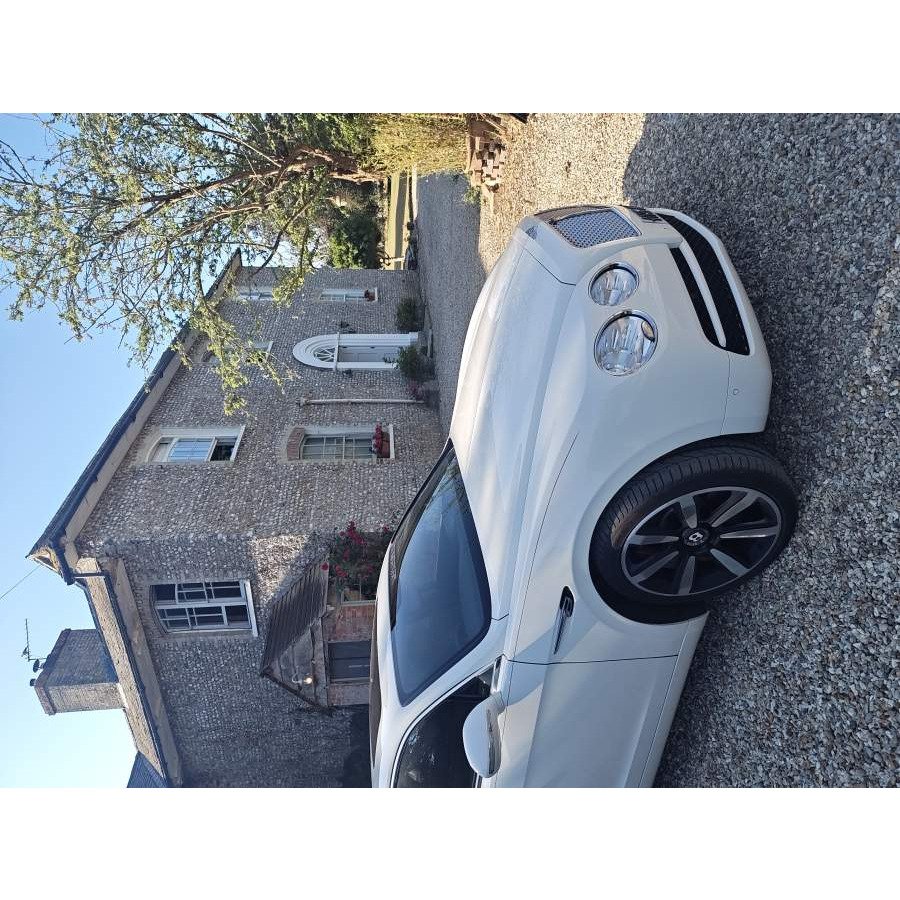
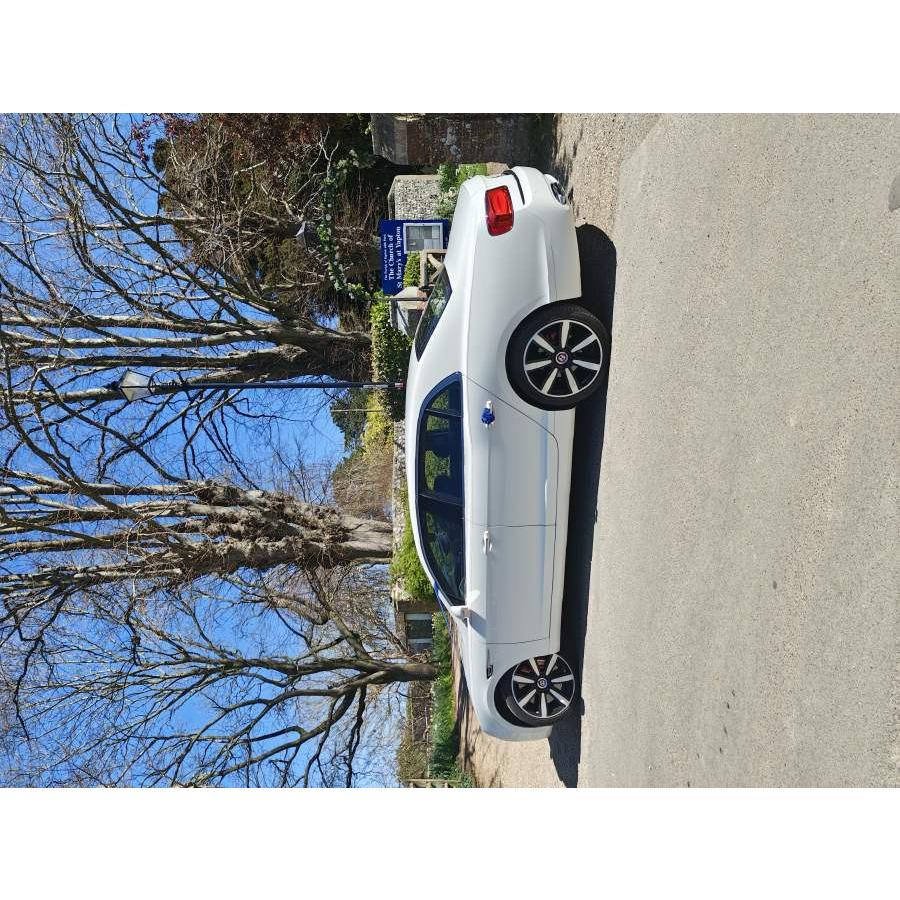
At Hi Flyer Bentley wedding and prom car hire, we understand that your wedding day is built on precise timing. Our luxury Bentley Flying Spur and experienced drivers ensure you arrive in style and comfort, exactly when you need to be there.
Frequently Asked Questions
How early should wedding transport arrive at the venue?
Luxury wedding transport should arrive 15-20 minutes before the scheduled departure time. This buffer accounts for final preparations, photography touch-ups, and any last-minute adjustments. For ceremony arrivals, aim for the car to be in position 10 minutes before guests are expected, allowing the bride or groom to make a composed entrance. Confirm exact timings with your chauffeur during your final pre-wedding briefing.
What should a wedding day transport schedule include?
A comprehensive wedding day transport schedule should list all departure times from each location (hotel, bridal suite, reception venue), estimated travel durations, driver contact details, passenger names, and any special instructions. Include buffer time for traffic, photography sessions, and preparation activities. Add contingency contact numbers and alternative routes. Reference your photographer's timeline and the venue's schedule to ensure transport doesn't clash with key moments like the reveal or family portraits.
How much time should you allow for wedding-day journeys?
Add at least 15-20 minutes extra to your estimated driving time to account for traffic, parking, and boarding time. For example, a 20-minute drive should be scheduled as 35-40 minutes in your transport plan. On busy days or unfamiliar routes, increase this buffer further. Always scout the route beforehand if possible, and ask your chauffeur for their experience with typical timings on your wedding day. Weather and local events can also affect journey times, so build flexibility into your schedule.
What is a wedding transport contingency plan and why do I need one?
A wedding transport contingency plan is a backup strategy for unexpected delays, vehicle issues, or driver problems. It should include your chauffeur's direct phone number, a secondary contact at the hire company, alternative transport options (such as a trusted friend with a vehicle), and revised timings if you need to delay the ceremony. Having a written plan reduces stress and ensures everyone knows what to do if something goes wrong. Discuss your contingency plan with your hire company when booking to confirm their backup procedures.