 ultimate-guide
Wedding Transport Planning: A Complete Guide
Table of Contents
- Why Wedding Transport Planning Matters
- Wedding Transport Checklist: What You Need to Arrange
- Classic vs Modern Wedding Cars: Making Your Choice
- Essential Wedding Car Booking Questions to Ask
- Creating Your Wedding Day Transport Schedule
- Booking Your Wedding Transport: Timing and Availability
- Common Wedding Transport Mistakes to Avoid
- Frequently Asked Questions
Last Updated: October 6, 2026
Why Wedding Transport Planning Matters
Getting your wedding transport right transforms a logistical headache into one of the day's most elegant moments.
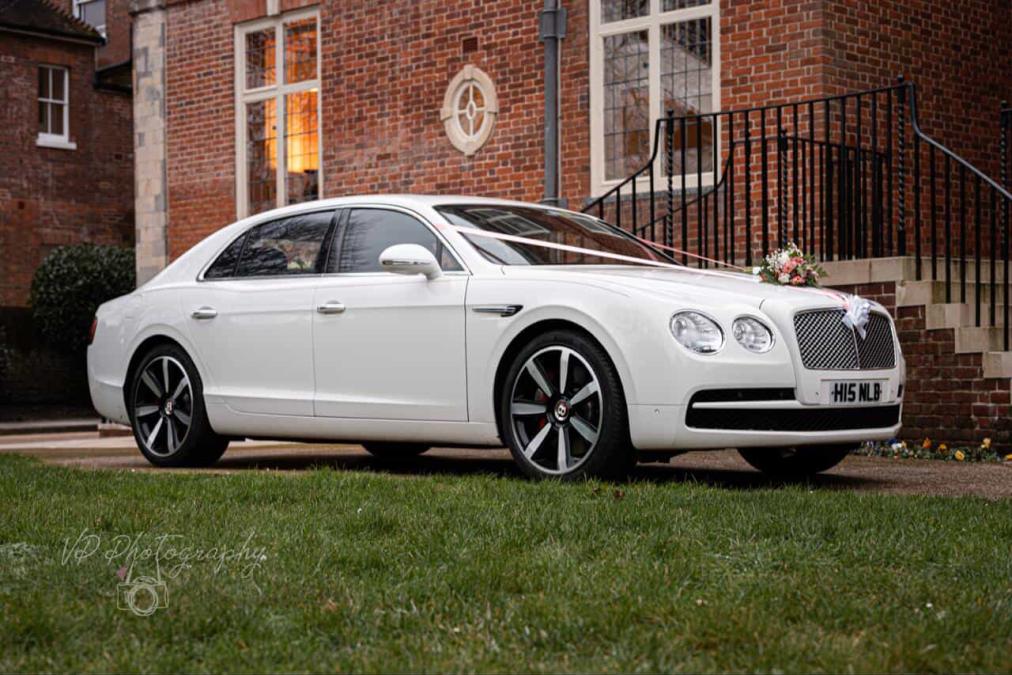
Wedding transport planning isn't just about moving people from A to B. It's about setting the tone for your entire celebration. When guests see a beautifully presented vehicle pulling up, it signals that you've thought through every detail.
At Hi Flyer Bentley wedding and prom car hire, we've seen first-hand how the right transport choice ripples through the entire day. Guests feel valued. Photography flows smoothly. The couple arrives calm and confident rather than stressed and rushed.
The challenge most couples face is knowing where to start. There are so many decisions: which vehicles suit your style, how many cars you actually need, when to book, what questions to ask suppliers, how to coordinate timing with photographers and venues.
Wedding Transport Checklist: What You Need to Arrange
Wedding transport planning covers more ground than most couples realise. You're not just booking one car for the bride and groom, you're coordinating arrivals for multiple groups, managing timing around photography, and ensuring everyone gets where they need to be.
Vehicles for the bride and groom
Your main vehicle deserves the most thought. This is the car that will feature in your photographs, carry you through the most important moments of the day, and set the visual standard for your entire celebration.
The bride's arrival vehicle is typically the statement piece. This is where elegance matters most. Many couples choose a classic or luxury modern car that photographs beautifully and makes a memorable entrance.
The groom's transport is equally important, though it often receives less attention in planning. Some couples use the same vehicle for both, which simplifies logistics. Others prefer separate cars so each can have their own entrance moment.
Consider practical details: how many passengers need to fit, whether you want the door open for photographs, and how long the journey is. A five-minute drive has different requirements than a thirty-minute one.
Guest transport options
Beyond the bride and groom, you need to move your wedding party and guests. The scale of this depends entirely on your guest count and venue locations.
For smaller weddings (under 50 guests), a minibus or coach may be unnecessary. Guests can arrange their own transport or you can arrange a few additional cars.
Your bridal party needs reliable transport to the ceremony venue. They arrive before guests, so timing is tighter. Many couples arrange a separate vehicle for bridesmaids and groomsmen, or include them in the bride's or groom's car if numbers allow.
Think about the journey from ceremony to reception. If these venues are far apart, guest transport becomes essential. If they're close, some guests will drive themselves. Either way, you need a plan.
Bridal party and family arrivals
Your mother, father, and close family members often need transport too. Some arrive with the bride, others separately. Your photographer will want to capture key family arrivals, so timing matters.
Plan who travels with whom. Does your mother arrive with you or separately? Do your parents travel together? What about the groom's family? These decisions affect how many vehicles you need and when they should arrive.
Late arrivals are one of the most common wedding day stresses. When transport isn't coordinated properly, family members panic about being late, which creates unnecessary tension before the ceremony even begins. A clear transport plan prevents this entirely.
Classic vs Modern Wedding Cars: Making Your Choice
Your choice between classic and modern vehicles defines the visual aesthetic of your wedding transport. Both styles work beautifully; the right choice depends on your wedding theme, venue, and personal preferences.
Classic vehicles: elegance and timelessness
Classic cars, typically from the 1960s through 1980s, carry an inherent sense of occasion. Rolls-Royces, Bentleys, and Jaguars photograph beautifully and feel genuinely special. They suit traditional venues, country estates, and couples who value timeless elegance.
The advantage of classic vehicles is that they photograph exceptionally well. The lines, the proportions, the sheer presence of a classic Bentley or Rolls-Royce creates photographs that feel like they belong in a magazine.
Practically speaking, classic cars are often slower and less comfortable on longer journeys. They're also typically open to the elements more than modern cars, which matters if weather is a concern.
Classic vehicles suit couples who want their transport to feel like a genuine part of their wedding story, not just a vehicle. They're a statement of intention.
Modern luxury cars: contemporary style and comfort
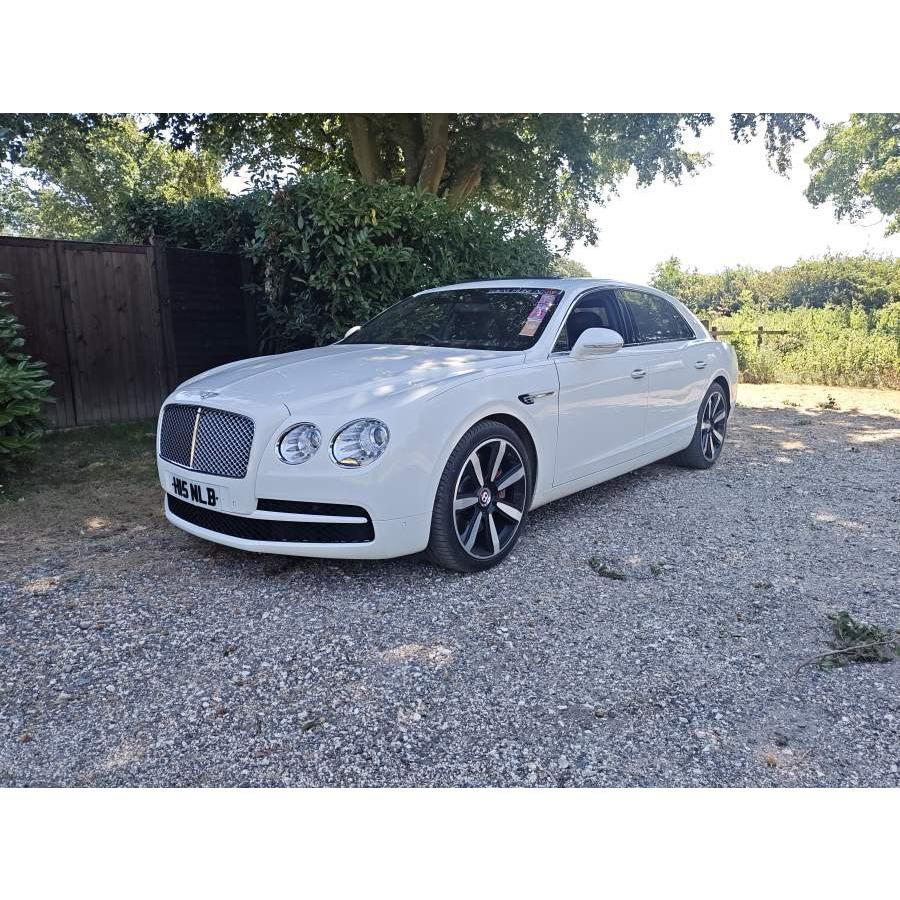
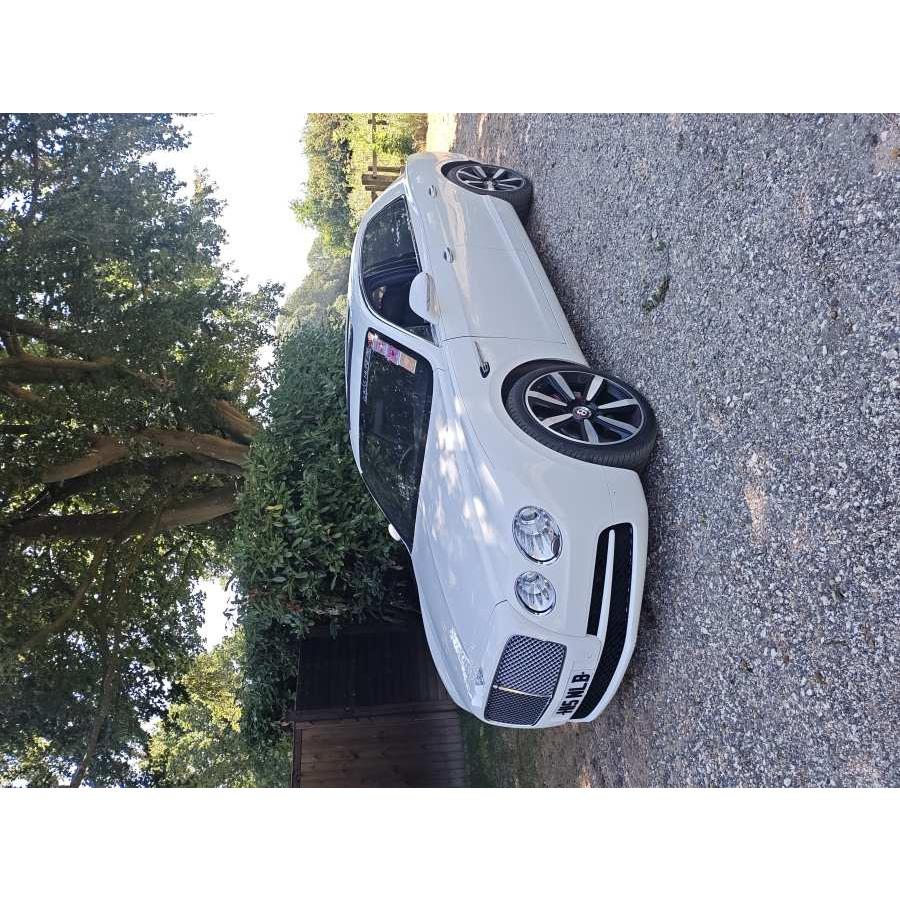
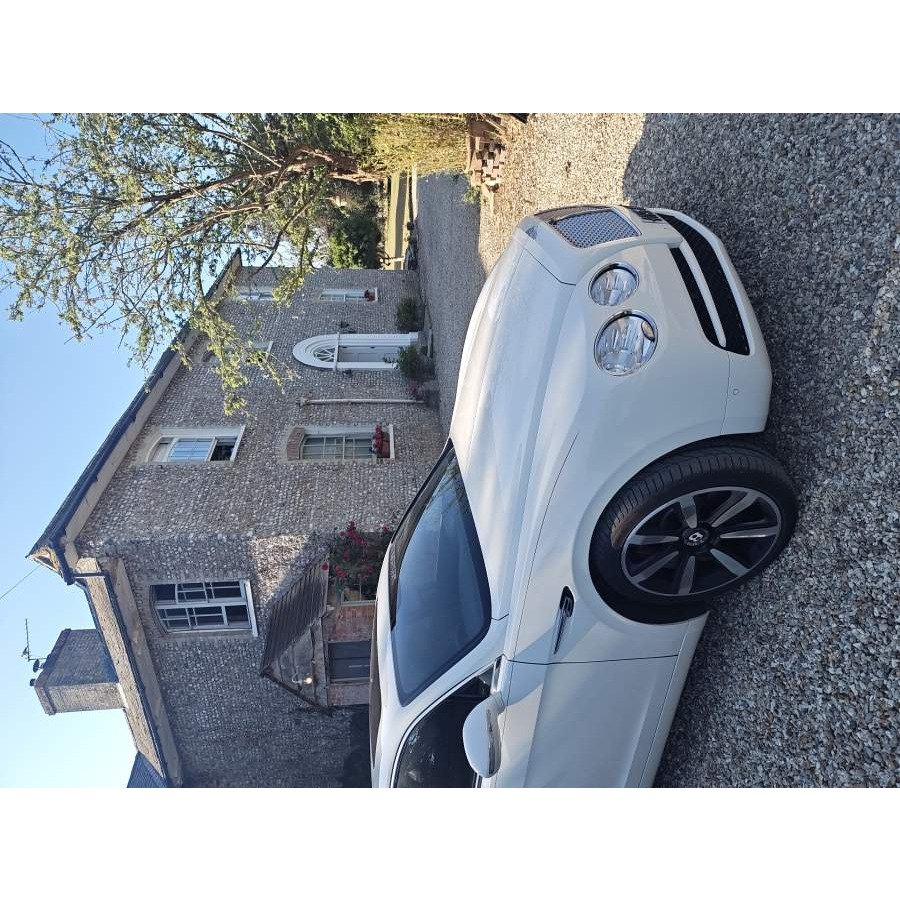
Modern luxury vehicles offer contemporary elegance with superior comfort and reliability. A modern Bentley Flying Spur, Mercedes S-Class, or Range Rover provides smooth suspension, climate control, and modern amenities.
These cars suit contemporary venues, urban celebrations, and couples who prioritise comfort alongside style. They photograph well in a different way, sleek, modern, sophisticated rather than classically timeless.
The advantage is reliability and passenger comfort, especially on longer journeys. Modern luxury cars have better suspension, quieter cabins, and temperature control. They're also typically more spacious inside, which matters if you're transporting multiple people.
Modern vehicles work particularly well when your wedding aesthetic is contemporary. They feel coherent with modern venues, modern décor, and contemporary photography styles.
Essential Wedding Car Booking Questions to Ask
When you contact a wedding car supplier, you need answers to specific questions before you commit. These questions protect you and ensure the service matches your expectations.
Reliability and backup arrangements
Your first question should be about reliability on actual wedding days. Ask the supplier directly: what's their track record? How many weddings have they completed? Have they ever failed to arrive?
Ask what happens if their primary vehicle breaks down. Do they have a backup car ready? Is the backup of the same standard? A supplier without a backup plan is a risk you shouldn't take.
Ask about their maintenance schedule. How often is the vehicle serviced? When was it last serviced? A well-maintained car is far less likely to fail you.
Insurance and contingency cover
Confirm that the vehicle is fully insured for passenger liability. Ask to see proof of insurance. You need to know that if anything goes wrong, passengers are protected.
Ask about their contingency plan if something unexpected happens. What if the driver becomes ill? What if there's unexpected traffic? How do they handle delays? A professional supplier has thought through these scenarios.
Driver experience and professionalism
Your driver spends hours with you on your wedding day. They need to be professional, discreet, and experienced with weddings specifically.
Ask how long the driver has been driving for weddings. Ask about their training. Do they understand the photography schedule? Can they position the car for photographs? Will they help with your dress if you're wearing something elaborate?
Ask about their appearance and professionalism standards. Your driver is part of your wedding aesthetic. They should look the part.
Creating Your Wedding Day Transport Schedule
Your transport schedule is the backbone of your wedding day logistics.
Start by working backwards from your ceremony time. If your ceremony is at 2 p.m., when does your bride need to leave home?
Your groom and best man need to arrive 15 to 20 minutes before the bride.
Parents and close family typically arrive 10 to 15 minutes before guests. Guests usually arrive 15 to 20 minutes before the ceremony starts.
Photography adds another layer. Your photographer will want to capture the bride arriving, the groom's reaction, family arrivals, and group photographs.
The journey from ceremony to reception needs similar attention. Some photographs happen at the ceremony venue after the ceremony ends.
This is just an example. Your schedule depends on your specific venues, journey times, and photography plans.
Booking Your Wedding Transport: Timing and Availability
The best time to book your wedding transport is 6 to 12 months before your wedding. Popular suppliers book up quickly, especially for peak wedding season (May to September).
If you're getting married in 8 to 12 weeks, contact suppliers immediately. You may still find availability, but your options will be more limited.
When you contact a supplier, have your wedding date, ceremony time, and venue locations ready. Ask about availability immediately.
Ask about their booking process and payment terms. Do they require a deposit? When is the final payment due? What's their cancellation policy? Understanding these details upfront prevents surprises later.
Get everything in writing. Your booking confirmation should include the vehicle type, collection times, drop-off locations, driver details, and any special requests you've made. Don't rely on verbal agreements.
Common Wedding Transport Mistakes to Avoid
Most wedding transport problems come from easily preventable mistakes. Knowing what to avoid saves stress and ensures your day runs smoothly.
The biggest mistake is booking too late. Waiting until three months before your wedding dramatically limits your options.
Another common mistake is underestimating journey times.
Failing to communicate with your photographer is surprisingly common.
Choosing a supplier based purely on price is risky.
Not having a backup plan is dangerous. What if the vehicle breaks down? What if the driver is ill?
Forgetting to arrange transport for all your guests is more common than you'd think.
Getting your wedding transport right means one less thing to worry about on your wedding day.
Hi Flyer Bentley wedding and prom car hire specialises in exactly this, providing the kind of luxury transport that makes your arrival genuinely memorable.
Frequently Asked Questions
When should you book wedding transport?
Ideally, book your wedding transport 3-6 months before your event. Popular dates and premium vehicles fill quickly, especially during peak wedding season. Booking early gives you flexibility in vehicle choice and ensures your preferred time slots are available. If your wedding is within 8 weeks, contact your chosen provider immediately to check availability rather than assuming you've missed out.
What should you include in a wedding transport schedule?
Your wedding day transport schedule should specify pick-up times for the bride, groom, bridal party, and family members, with buffer time for photographs. Include travel duration to the ceremony venue, time between ceremony and reception, and any photo locations requiring transport. Confirm exact addresses, contact numbers for the driver, and contingency times for unexpected delays. Share this schedule with all parties involved at least one week before the wedding.
How many wedding cars do you need?
This depends on your guest count and bridal party size. Typically, you need one car for the bride, one for the groom and best man, and additional vehicles for bridesmaids, parents, and close family. A rule of thumb: one car per 4-6 guests if providing transport, or dedicated vehicles just for the wedding party. Discuss your specific requirements with your transport provider, who can recommend the right number based on your venue layout and timeline.
What questions should you ask a wedding car hire company?
Ask about vehicle reliability and maintenance records, backup plans if the primary vehicle fails, driver experience with wedding days, insurance cover and liability, exact pick-up and drop-off times, whether the driver will wait between ceremony and reception, and cancellation or rescheduling policies. Confirm what's included (refreshments, decorations, fuel) and clarify any additional charges. Request references from recent weddings if possible.
How should you plan transport for a wedding day?
Start by mapping your venue locations and calculating realistic travel times. Identify who needs transport (bride, groom, bridal party, parents, guests). Choose whether to provide full guest transport or focus on the wedding party. Select your vehicles based on your style preference and guest capacity. Create a detailed timeline working backwards from your ceremony start time, allowing buffer for photographs and delays. Confirm all arrangements with your transport provider two weeks before the event.
What's the difference between classic and modern wedding cars?
Classic cars like Bentleys and Rolls-Royces offer timeless elegance, photographic impact, and a sense of occasion that suits traditional weddings. Modern luxury vehicles provide contemporary style, advanced comfort features, and often better reliability. Classic cars may require longer booking lead times and suit formal dress codes. Modern cars offer smoother rides and quieter cabins. Your choice depends on your wedding theme, venue setting, and personal style preference.
How much time should you allow for wedding-day journeys?
Allow 50% more time than your GPS estimate for wedding day travel. Factor in traffic, finding parking, helping the bride from the vehicle, photographs, and unexpected delays. For the bride's arrival, aim to arrive 10-15 minutes before the ceremony start time. Between ceremony and reception, add 20-30 minutes for photo calls and guest transitions. Always communicate realistic timings to your photographer and venue coordinator to avoid rushed moments.