 How-to
What Is a Realistic Budget for a Wedding in the UK in 2026?
Last Updated: November 8, 2026
Quick Summary
What is a realistic budget for a wedding in the UK? For most couples it depends on guest numbers, location and style of day. Set one total figure before booking any supplier, then divide it across the main categories, starting with venue and catering.
- Check whether any budget figure includes the honeymoon and rings
- Set one total budget before contacting any supplier
- Venue and catering usually take the largest share of the budget
- Add a contingency of around 10 per cent for costs that appear late
- Trimming the guest list is often the fastest way to reduce the total
Table of Contents
- What the Average UK Wedding Costs in 2026 and Why Estimates Vary
- Setting a Total Wedding Budget Before You Book Anything
- How to Allocate a Wedding Budget by Category
- Wedding Budget Breakdown: Worked Examples by Guest Count and Style
- Hidden Costs and a Contingency Fund Checklist
- Wedding Planning on a Budget: Where to Save and Where Not To
- Your Wedding Budget Checklist and Next Step
- Frequently Asked Questions
What the Average UK Wedding Costs in 2026 and Why Estimates Vary
What is a realistic budget for a wedding in the UK? For most couples it depends on guest numbers, location and style of day. A clear budget set early makes every later decision easier.

Estimates vary because surveys count different things. Some include the honeymoon and engagement ring; others count only the day itself.
- Check whether the figure includes the honeymoon and rings
- Note the year the survey was carried out
- Compare the guest count behind the estimate with your own
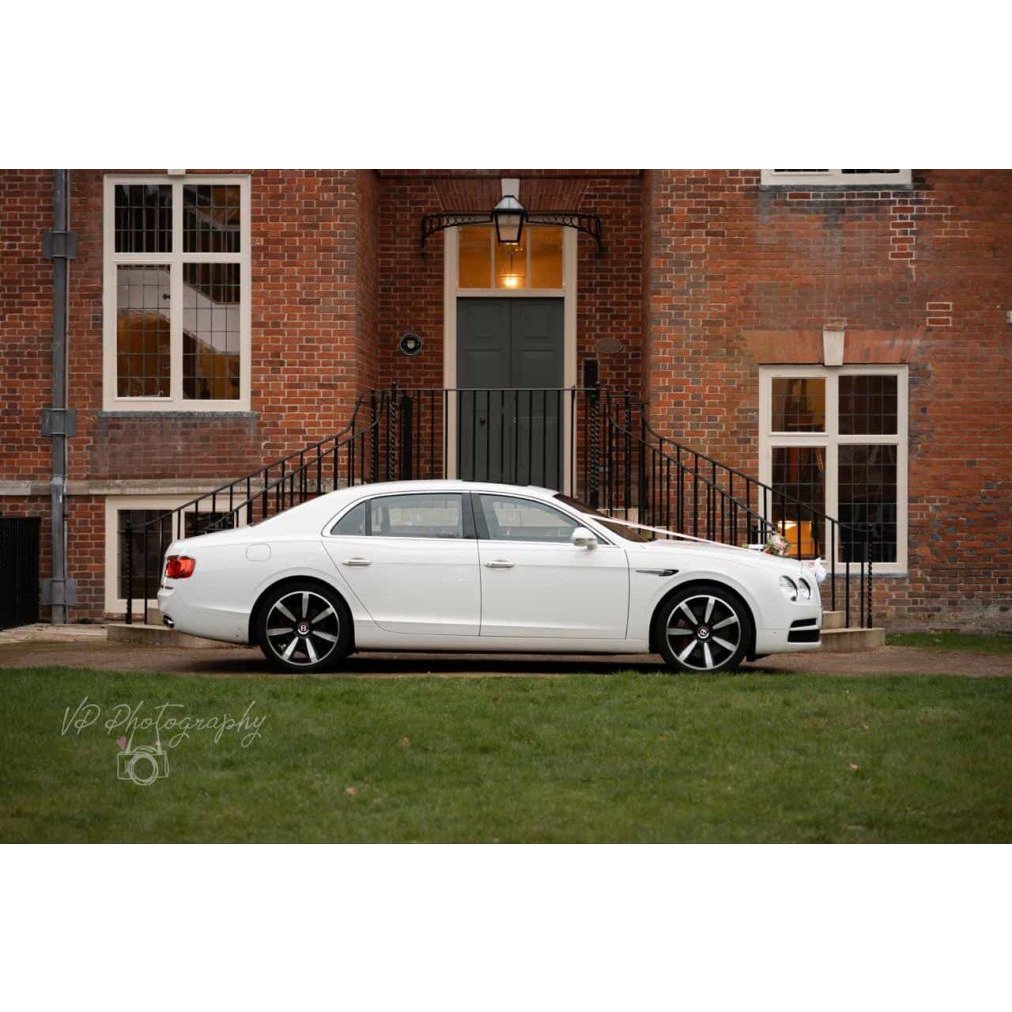
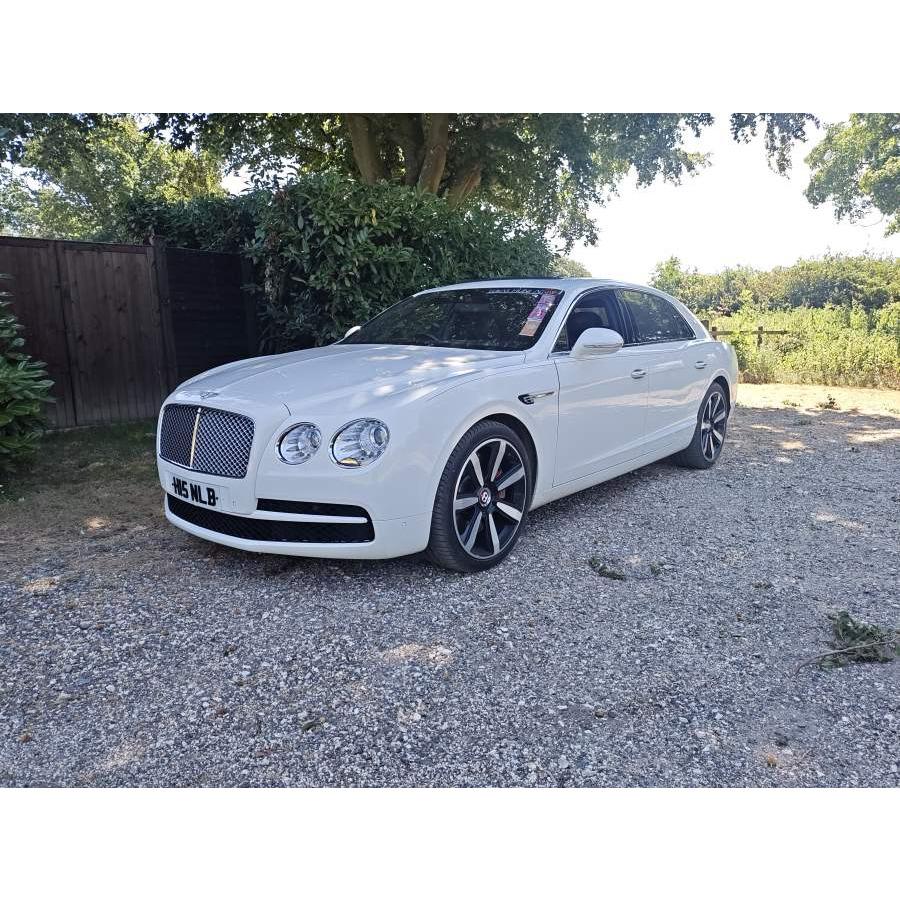
Transport is one line in the budget that often gets overlooked.
Setting a Total Wedding Budget Before You Book Anything
Set one total figure before you contact a single supplier. Our planning guide for choosing wedding transport shows how transport fits into the overall plan before you commit to a figure.
Start with what you can afford without borrowing, then agree a number with your partner and any contributing family members. Once fixed, work out how much each category can take.
- Write down your total budget and who is paying towards it
- Add a 10 per cent contingency on top
- Revisit the figure after your first three big bookings
How to Allocate a Wedding Budget by Category
A common approach is to split the budget by share of the total. Venue and catering usually take the largest slice, so they are a sensible place to begin. Other categories follow in a rough order of priority.
Venue, Food and Drink, and Guest Count
Venue and food costs rise with every extra guest, adding to catering, seating and sometimes accommodation. When you allocate the transport share, you can compare luxury wedding car options in Bognor Regis and their costs. Trimming the guest list is often the fastest way to bring the total down.
- Confirm the per-head catering cost before comparing venues
- Ask whether the venue price includes tables, chairs and linen
- Factor in the cost of drinks, which can exceed the food bill
Photography, Outfits, Flowers and Entertainment
These categories are where small choices add up quickly. Photography packages vary by hours covered, outfit costs depend on buying versus hiring, and flowers and entertainment can be scaled up or down without affecting the core day.
- Compare photography packages by hours rather than by headline price
- Hire outfits where a one-off buy would not be worth it
- Choose seasonal flowers, which are usually cheaper
Wedding Budget Breakdown: Worked Examples by Guest Count and Style
Most guides give a percentage split and stop there. The more useful exercise is to build three versions of your day, intimate, mid-sized and large, and see what each budget can realistically buy.
How the per-head mechanic works
Almost every large line in a wedding budget is driven by head count: catering, chair hire, table linen, place settings, favours, welcome drinks and often the evening buffet are all priced per person, and venue capacity charges can step up at thresholds.
Venue and catering combined usually take the largest share, with photography, outfits, flowers and entertainment splitting most of what remains; transport, stationery and contingency sit around the edges.
Intimate wedding, around 30 guests
An intimate day of roughly 30 guests usually means a single venue, a seated meal and a shorter supplier list. What the budget can realistically buy at this scale:
- A private dining room or a small barn rather than a full exclusive-use estate
- A set menu or sharing platters instead of a multi-course formal dinner
- One photographer for a half or full day, rather than a photography-and-video bundle
The trade-off is that fixed costs, registrar fees, photographer attendance, venue hire minimums, are spread across fewer guests, so cost per head is often higher than at a larger wedding even though the total is lower.
Mid-sized wedding, around 80 guests
At around 80 guests you are typically into exclusive-use venue territory, with a drinks reception, a seated meal and an evening reception. What the budget can realistically buy:
- A venue with a ceremony room, dining room and evening space, often with a minimum spend rather than a flat hire fee
- A three-course meal plus an evening buffet or street-food van
- A welcome drinks reception and a drinks package, which is often the line that surprises couples most
This is the size at which hidden costs start to bite: extra staff hours, corkage, and late-night venue overtime all appear once the day runs long.
Large wedding, 120 guests or more
Above roughly 120 guests, every per-head line multiplies and the fixed costs become a smaller share of the total. What the budget can realistically buy:
- A larger venue, often with on-site accommodation and a dedicated wedding coordinator
- A multi-course meal with canapés and a substantial evening food offering
- A full drinks package, often the second-largest line after catering
At this scale a small per-head error is expensive: a misjudged drinks estimate of a few pounds per guest becomes a four-figure overrun across 120 people, so the drinks line deserves its own quote rather than a guess.
Style changes the total as much as guest count
Two weddings with the same 80 guests can land at very different totals depending on style. A relaxed marquee celebration with a buffet and a playlist can cost far less than a formal seated dinner with a band and full styling. Price three versions of your own day, stripped-back, mid and full, and the gap shows which choices buy the day you actually want.
Watch out: a venue's headline hire fee is rarely the full venue cost. Minimum spend, service charges, corkage and overtime can each add a separate line, so ask for an all-in venue figure before you compare it with another.
The table below sets out what each guest-count band typically covers, drawn from the worked examples above.
Guest count | Typical setting | Main budget driver |
|---|---|---|
Around 30 | Private dining room or small barn | Fixed costs spread across fewer guests |
Around 80 | Exclusive-use venue with evening space | Minimum spend and drinks package |
120 or more | Larger venue, often with accommodation | Per-head catering and drinks multiply |
Hidden Costs and a Contingency Fund Checklist
Hidden costs are not really hidden, they are simply not quoted in the headline price. The couples who overspend are usually the ones who budgeted for the venue, the food and the photographer, and forgot the lines that arrive later. The checklist below is organised by when each cost tends to appear, so you can reserve for it in advance rather than absorb it at the end.
Costs that appear before the day
- Ceremony fees. Legal requirements and fees differ across the UK. In England and Wales you deal with the local register office for notices and fees, and a registrar or approved-premises ceremony carries its own charge. In Scotland the process runs through the local registration service and a celebrant or registrar; in Northern Ireland, through the local district registrar. Check the current fee schedule for your nation and whether your venue is approved premises, since that is priced differently from a register office ceremony.
- Venue deposit and payment schedule. Most venues ask for a deposit on booking and staged payments before the day. Map every due date into your spreadsheet so a deposit never lands in the same month as another large bill.
- Supplier deposits. Photographers, bands and florists commonly take a booking fee up front and the balance closer to the date. Ask each supplier for their payment schedule in writing.
Costs that appear on or around the day
- Corkage and service charges. If you supply your own wine or sparkling wine, the venue may charge a per-bottle corkage fee. Service charges may also apply to catering and bar spend.
- Venue overtime. If the evening runs past the agreed finish time, venues commonly charge by the hour.
- Extra staff hours. Bar staff, waiting staff and security are often priced per hour, and a longer day means more hours.
- Gratuities. Tips for suppliers, venue staff and transport are discretionary but customary in many circles.
How much contingency to reserve
A common approach is to set aside around 10 per cent of the total budget as a contingency reserve, held separately from category budgets. On a larger or more complex day, multiple venues, extensive styling, a remote location, some planners suggest a higher reserve. The reserve is not there to fund upgrades; it absorbs the lines above without forcing you to cut something already booked.
Watch out: a contingency that sits in the same account as your spending money tends to get spent. Keep it in a separate pot and only release it against a specific, documented cost.
Keeping the budget honest
Keep a single spreadsheet with one row per cost and columns for the quoted amount, deposit paid and balance due, updating it every time you pay a deposit or receive an invoice. A monthly review shows how much room is left before the next payment falls due and turns a vague worry about overspending into a specific number you can act on.
Wedding Planning on a Budget: Where to Save and Where Not To
Some savings are easy without the day feeling cheaper. A weekday or off-peak date often lowers venue and supplier prices, and booking suppliers who are building their portfolio can also bring costs down.
Other areas are worth paying for: reliable photography and a dependable transport booking protect moments you cannot recreate, and cutting too hard there can leave regrets.
- Save on: stationery, favours, and décor that can be DIY
- Spend on: photography, catering quality, and reliable transport
- Negotiate: package deals that bundle several suppliers
Your Wedding Budget Checklist and Next Step
Use this list to check that your budget covers the essentials before you book:
- Total budget agreed and written down
- Guest count confirmed
- Each category given a share of the total
- Contingency reserve set aside
Once your figures are in place, the next step is to request quotes from your shortlisted suppliers. For questions about transport for your day, you can contact the team directly for current information.
Frequently Asked Questions
What is a realistic budget for a wedding?
A realistic UK wedding budget depends mainly on guest count, region, season and the style of day you want. Couples often start by deciding a total they can afford without borrowing, then work backwards to category amounts. Use recent supplier quotes rather than older averages, because venue hire, catering and photography prices have risen. Build in a contingency of around 10 per cent so that unexpected costs do not force cuts later in the planning process.
How should you allocate a wedding budget?
Start by ranking your priorities, then assign the largest shares to the items that matter most to you. Venue and catering usually take the biggest portion, followed by photography and entertainment. Keep a separate line for outfits, flowers, stationery and transport. Revisit the split once you have real quotes, and move money between categories rather than overspending in one area.
What should a wedding budget checklist include?
A useful checklist lists every category with an estimated and an actual cost, plus payment dates and deposit deadlines. Include venue hire, catering, drinks, ceremony fees, photography, videography, outfits, beauty, flowers, music, stationery, wedding car hire and gifts for suppliers. Add a contingency line and a column for who is paying each item, so that everyone involved can see where the money is going.
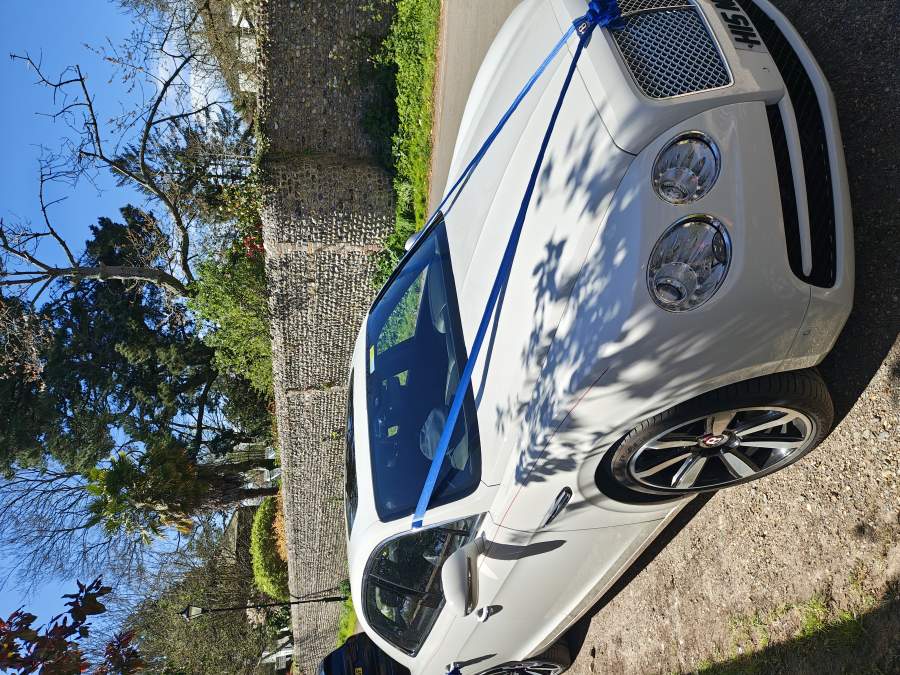
How can you plan a wedding on a budget without compromising the day?
Focus spending on the moments you will remember most, such as the ceremony, the photographs and the food. Choose a weekday or off-peak date, reduce guest numbers where possible and consider a Sunday or a less popular month. Limit the bar to wine and one signature drink, and ask suppliers for package deals. Arriving in a Bentley Flying Spur is a premium choice, so check current pricing and availability directly with the company before deciding how it fits your total.