 Listicle
9 Best Wedding Car Photo Locations in Arundel
Last Updated: November 4, 2026
Quick Summary
The best wedding car photo locations in Arundel are the castle gatehouse, the riverside paths along the River Arun and the historic streets around the High Street. Each offers a distinct look, from medieval stonework to soft natural light and period character, so choose two or three that suit your style.
- Arundel Castle gatehouse offers medieval stonework and towers, best approached early before visitor numbers build.
- Riverside paths along the River Arun suit a relaxed, romantic look, ideally shot during golden hour.
- Historic streets around the High Street give a characterful backdrop; shoot early or after the lunchtime rush.
- Confirm access and parking for each stop in advance, and check vehicle restrictions with the castle.
Table of Contents
- Why the Location Matters as Much as the Car
- Arundel Castle and the Castle Gatehouse
- Riverside Paths Along the River Arun
- Historic Streets and Shopfronts Around the High Street
- Choosing the Right Wedding Car for Your Backdrop
- Wedding Car Photography Tips for Each Stop
- Building a Wedding Day Photography Timeline Around Your Shots
- Booking Your Arrival and Planning Your Photo Stops
- Frequently Asked Questions
Why the Location Matters as Much as the Car
A wedding car arrives for a few minutes, but the photographs last a lifetime. The right backdrop turns a simple drive-up into an image that frames the couple, the car and the setting together. Choosing your wedding car photo locations in Arundel before the day means you spend the morning relaxed rather than hunting for a spot while the clock runs down.
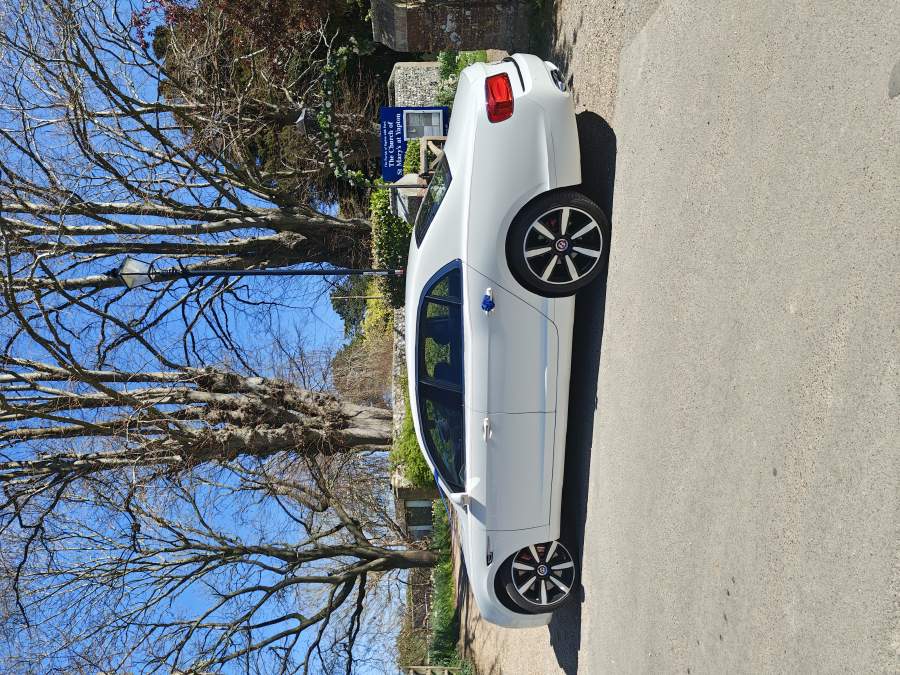
Arundel suits this well. Its castle, river paths and historic streets offer very different looks, from grand stonework to softer natural light. Planning the route around light, traffic and timing, rather than picking spots at random, helps photo sessions run smoothly.
Here is how to think about it: pick two or three locations that suit your style, check the access for a car of your size, and build a short route between them. Keep the rest of the day flexible.
Arundel Castle and the Castle Gatehouse
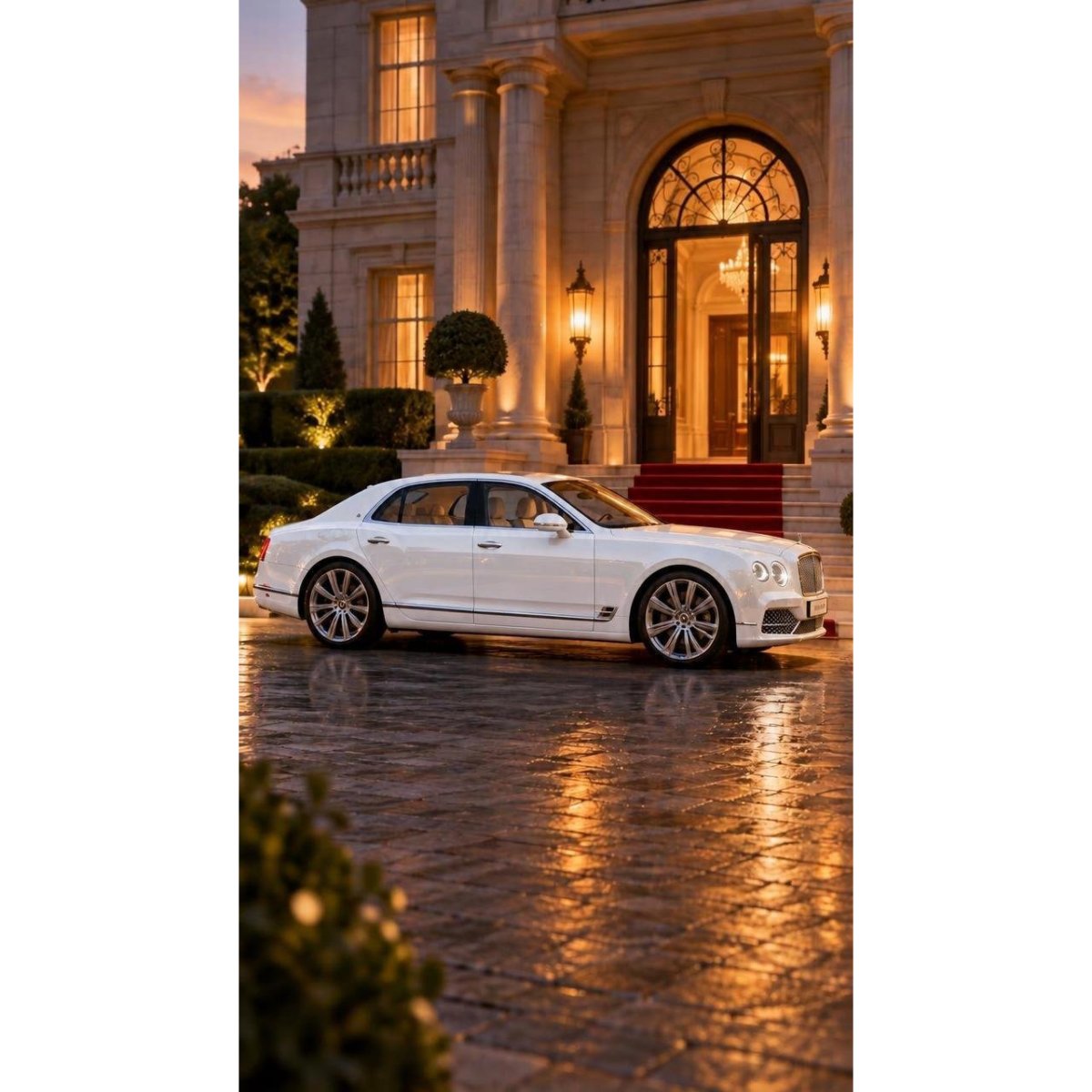
The castle gatehouse is one of the most recognisable backdrops in the town. Its medieval stonework and towers give a sense of occasion. A white Bentley parked on the approach, with the couple beside the open rear door, makes a strong opening image.
Arrive before the main visitor flow builds, particularly on weekends. Early light is softer and the approach is quieter, which gives you room to position the car properly. Check with the castle in advance about access and any restrictions on vehicles.
Riverside Paths Along the River Arun
The riverside paths offer a softer, more natural setting. Open water, greenery and gentle light suit couples who want a relaxed, romantic feel rather than a formal one.
Plan the shots for the golden hour, when the light is warm and low. Allow extra time for the walk, particularly if you are wearing long dresses or heels on uneven ground. A short walk from the car keeps the day moving and the couple comfortable.
Historic Streets and Shopfronts Around the High Street
The town's historic streets give a characterful backdrop with period shopfronts, bunting and everyday life. This location suits couples who want their photographs to feel like a story about the place they live in.
Shoot early in the morning or after the lunchtime rush to avoid crowds and parked cars in the frame.
Choosing the Right Wedding Car for Your Backdrop
The car should match the setting as well as the couple's style. A classic car suits the castle and historic streets, where its lines fit the surroundings. A modern luxury car may suit a more contemporary look or a riverside setting with clean lines.
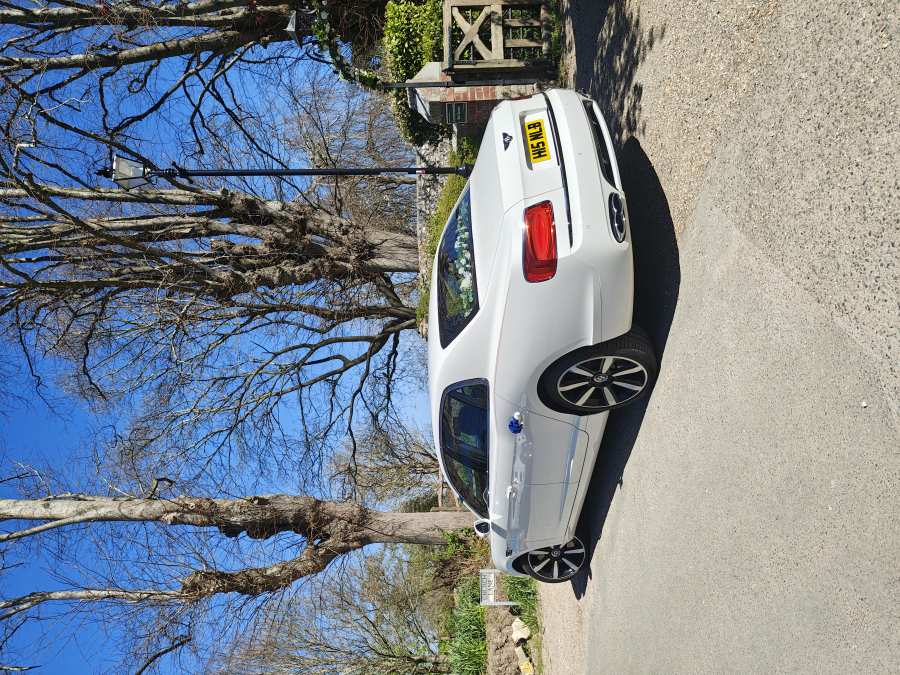
When comparing options, consider the car's size, how easily it parks near your chosen spots, and whether it photographs well from several angles.
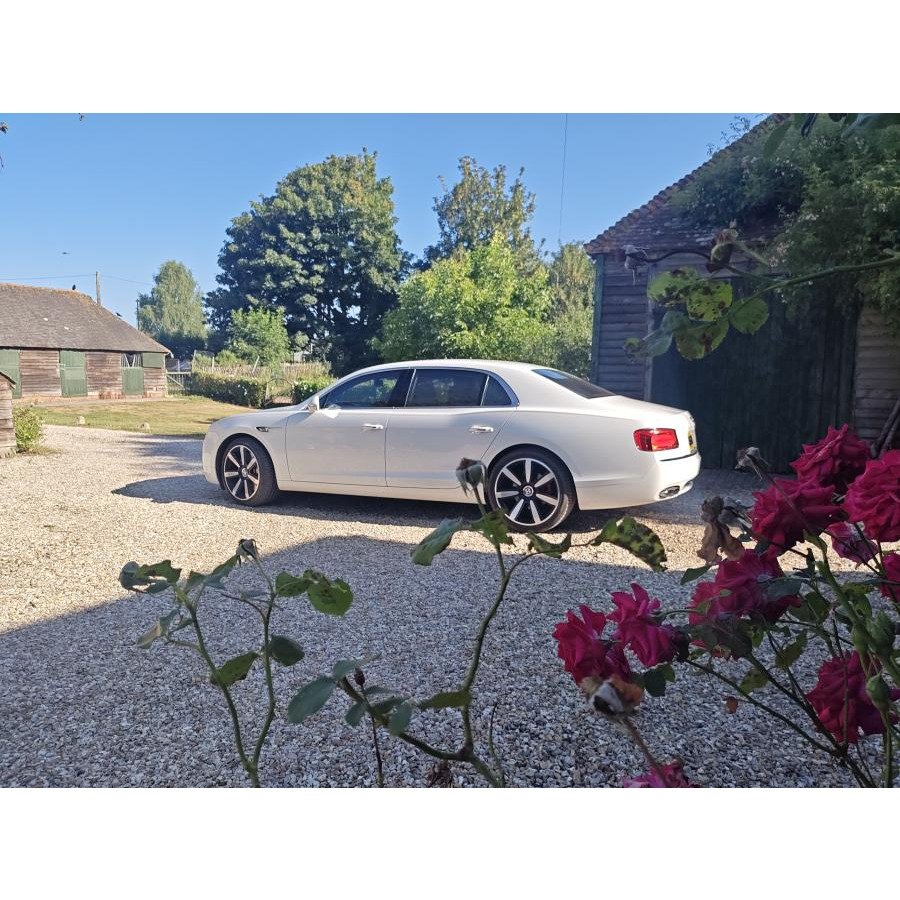
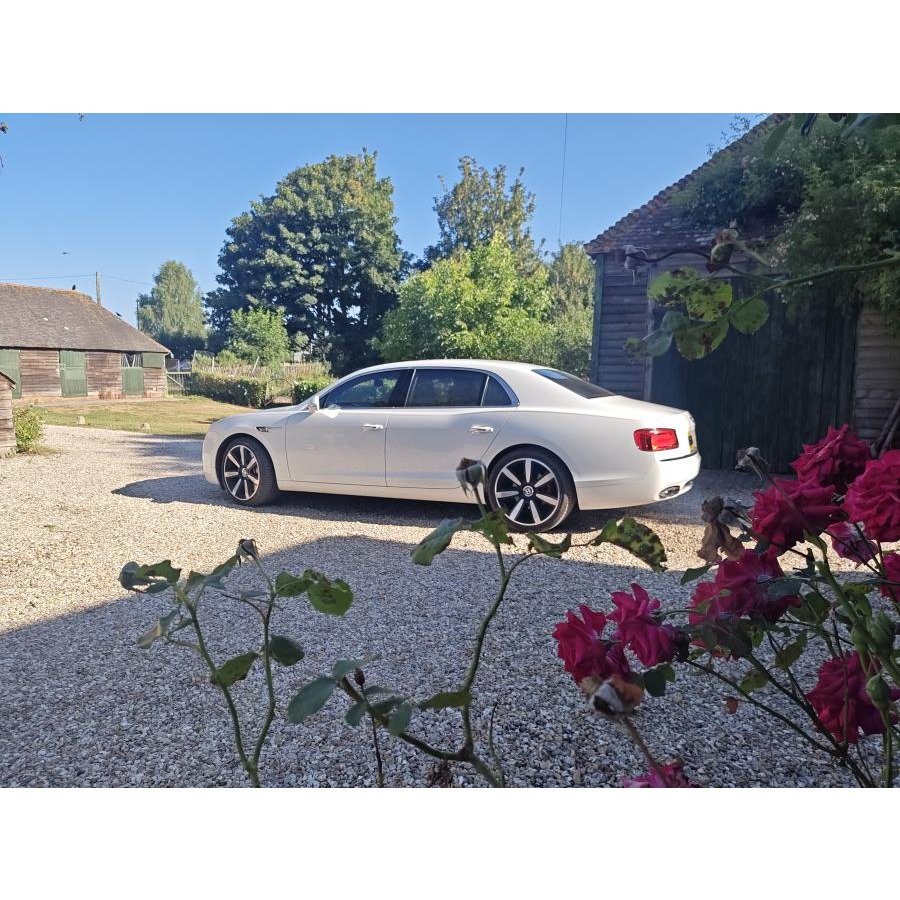
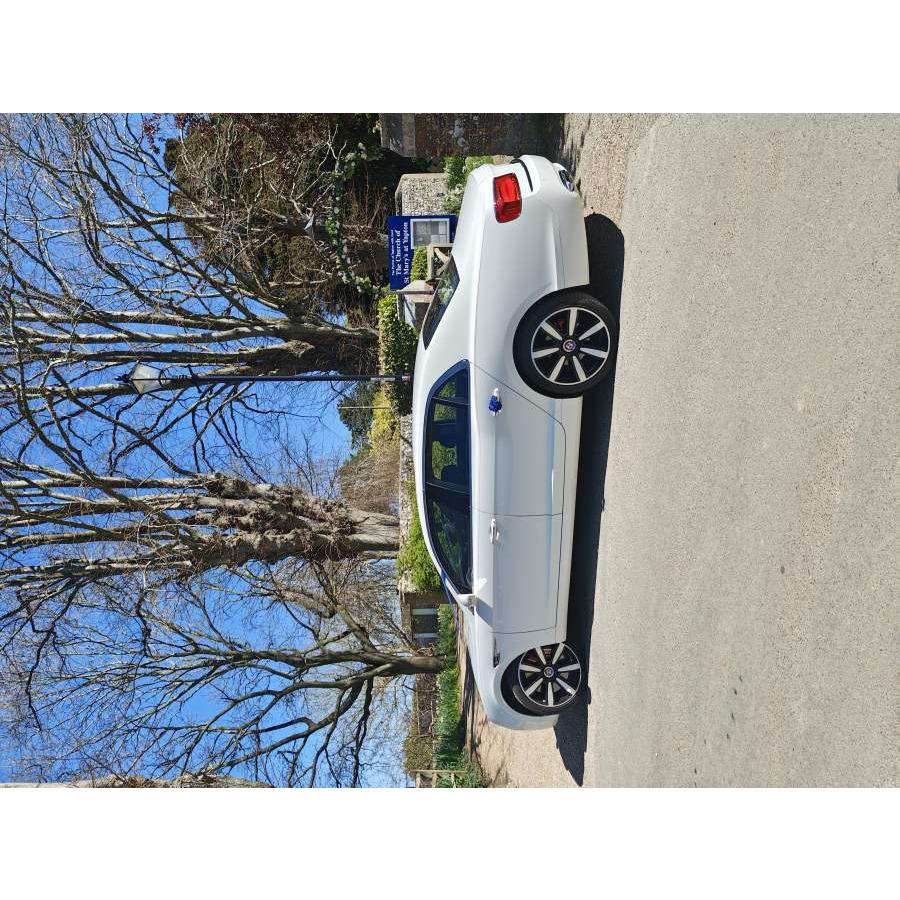
The Bentley Flying Spur offers an elegant arrival for weddings and other special occasions.
Wedding Car Photography Tips for Each Stop
Planning each stop around access, light direction and how long the car can realistically wait separates a usable set of images from a rushed one. The tips below apply to the three locations above.
At the castle gatehouse, the strongest frame is usually the car approaching from the town side, with the gatehouse filling the background rather than sitting behind the bonnet. Because the approach is narrow, agree a single drop-off point with your chauffeur; a car that stops in the approach blocks the shot and the traffic behind it.
Along the riverside, the light comes across the water, so position the couple between the car and the river rather than with their backs to it. This keeps faces lit and avoids the flat, backlit look that ruins riverside portraits late in the day. The ground beside the path is often uneven, so plan the walk in flat shoes and change into heels at the car.
On the historic streets, the temptation is to shoot wide and capture everything. Resist it. A tighter frame with one shopfront, the car's front wing and the couple gives a cleaner image than a wide shot full of parked cars and signage. Shoot before the shops open or after the lunchtime peak, and check whether any market stalls or delivery bays will occupy your chosen spot on the day.
A few habits apply everywhere:
- Confirm the parking spot for each location in person, not on a map, and note any yellow lines, loading restrictions or resident bays.
- Photograph the arrival and departure, not just the stops, as these moments often become favourites.
- Keep dress and train clear of doors, sills and the road before anyone steps out.
- Allow a realistic buffer between stops, town-centre traffic in season can add ten to fifteen minutes to a short hop.
- Brief the photographer on the route order, so each stop has a clear purpose rather than becoming a repeat of the last.
Watch out: if your chosen stop falls on a bin collection day or a market morning, the backdrop you planned can be gone. Ring the venue or check the local council's waste and events calendar for the date before you lock the route.
Accessibility matters here too. If either of you, or a parent joining the photographs, has limited mobility, choose stops where the car can park on level ground within a few steps of the portrait spot. The riverside path in particular is not step-free along its full length, so pick a section with a gentle approach rather than assuming the whole path is usable.
Building a Wedding Day Photography Timeline Around Your Shots
A timeline that survives contact with the day needs realistic durations, a contingency plan and a named person responsible for keeping to it. Here is how to build one around your photo stops.
Start with the ceremony time and subtract the things that cannot be compressed: the registrar or celebrant's arrival deadline, the time the venue needs the couple in place, and the walk from the car to the door. Then add your photo stops in route order, giving each a realistic slot rather than an optimistic one.
A single photo stop can take around twenty to thirty minutes once you allow for the car to position, the couple to step out, portraits to be taken and everyone to get back in. If your ceremony is at midday, that usually means starting the photo route mid-morning, which also gives you the softer light.
Build the timeline around the light as well. Early morning and late afternoon give the best natural light for outdoor shots, while midday often produces harsh shadows. If your ceremony forces a midday slot, plan the castle and street stops for the morning and keep the riverside for later, when the light drops across the water.
Contingency planning is where most timelines fail. Build in a fifteen-minute buffer before the ceremony and decide in advance what gets cut if you run late, usually the third stop, not the first. Ask your chauffeur what happens if a road is closed or the car develops a fault when you book, rather than on the morning.
Weather needs a plan too. A wet morning does not cancel the photographs, but it changes them: covered locations, umbrellas kept out of frame and a shorter walk between car and portrait spot. Decide which stop is your wet-weather fallback before the day.
Finally, name one person, often the chauffeur or a trusted guest, who holds the timeline and can make the call to move on. Share the written timeline with the photographer, the chauffeur and the venue coordinator so everyone works from the same plan, and keep a printed copy in the car. A timeline that lives only on one phone is a timeline that gets lost.
Booking Your Arrival and Planning Your Photo Stops
Once you know your shot list, book the car early.
Hi Flyer Bentley wedding and prom car hire covers weddings, proms and other special occasions across Chichester, Bognor Regis and Arundel. Get in touch with the team to check availability for your date and talk through your photo stops. For pricing, contact the team directly for a quote.
Frequently Asked Questions
What are the best wedding car photo locations in Arundel? The castle gatehouse, the riverside paths along the River Arun and the historic streets around the High Street are the most popular choices. Each offers a different look, from grand stonework to natural light and period character.
When is the best time to take wedding car photos? Early morning and late afternoon give the softest, most flattering light. Arriving before the main visitor flow also helps you avoid crowds and gives the car room to park properly.
How far in advance should I book a wedding car? Contact Hi Flyer Bentley wedding and prom car hire to check availability for your wedding day.
The table below sets out the three photo stops and the practical point to check at each, drawn from the sections above.
| Location | Best time | Key point |
|---|---|---|
| Arundel Castle gatehouse | Early, before visitor flow builds | Check access and vehicle restrictions with the castle in advance |
| Riverside paths, River Arun | Golden hour | Allow extra time for the walk on uneven ground |
| Historic streets, High Street | Early morning or after lunchtime rush | Keep parked cars and signage out of the frame |
Frequently Asked Questions
Do I need permission to take wedding photos at public landmarks?
Most public streets, riverside paths and open town areas allow photography for personal use without permission. Private grounds, many castle courtyards and some heritage sites may charge an entry fee or require prior arrangement, so check with the site before your booking. Commercial shoots, drones and tripods can need separate consent. Confirm the rules for each spot on your list well in advance, and allow extra time if a site needs a booking or a fee paid on the day.
How long should I allocate for wedding car photography?
Plan around 20 to 30 minutes for a single photo stop with the car, including moving the vehicle, arranging the couple and checking the shots. Two or three stops in one town typically fit into a 60- to 90-minute window. Build in a buffer for traffic, parking and weather. Tell your photographer and chauffeur the order of stops beforehand so the car is never waiting on the couple, and the schedule stays on track for your ceremony time.
What makes a good backdrop for a classic wedding car?
Look for clean lines and contrast. Stone walls, arched gateways and tree-lined lanes frame a white Bentley well, while busy shopfronts with cluttered signage compete with it. Avoid backgrounds that put the car against bright sky with dark foreground, as this underexposes the bodywork. Position the car so the sun lights its front three-quarter angle, and ask your photographer to check how the reflections on the paintwork look before committing to a spot.